Back on the Trail: How a Lifesaving Grant Kept Search and Rescue Dog Tiki in the Game
When a brilliant pup faced a life-threatening cancer diagnosis, her mom and handler feared their lifesaving journey was over. Thanks to the Petco Love and Blue Buffalo Pet Cancer Treatment Fund, Tiki is back doing what she loves most.
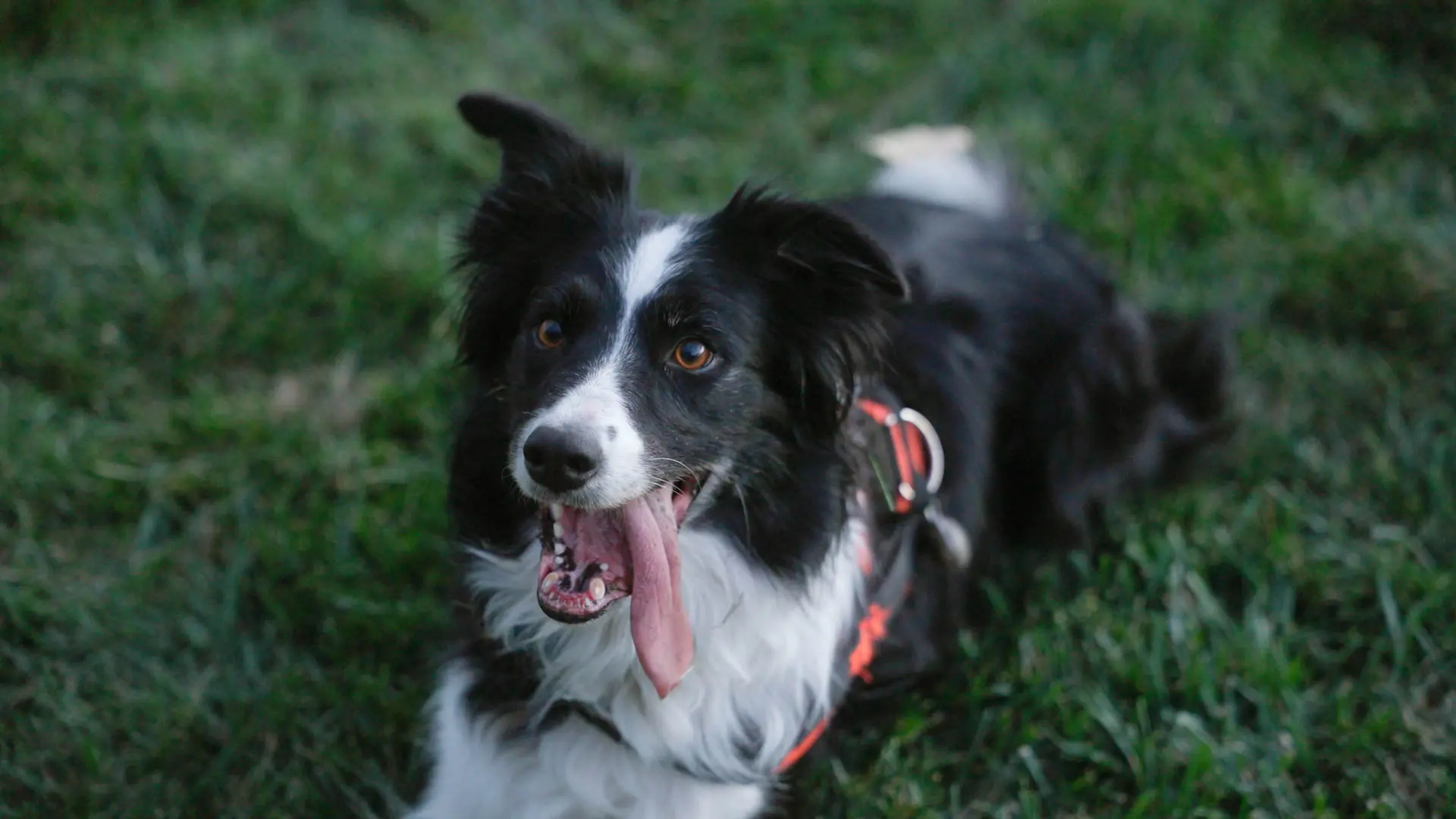
Petco Love and Blue Buffalo are proud to partner to help pets like Tiki fight pet cancer. Together, we’ve invested more than $21 million in universities and organizations to help pet parents afford the costs of treatment, and to support pet cancer research.
A Born Rescuer
As a dedicated Search and Rescue (SAR) dog, Tiki is unstoppable in the field—laser-focused on scent trails and deeply bonded with her handler and mom, Barbara (affectionately known as Bobbie). Off duty, she switches seamlessly from elite rescuer to sweet cuddlebug, happiest when surrounded by her favorite people.
For Tiki, saving lives was pure joy—until an unexpected discovery threatened her calling.
The Diagnosis
During a routine check, Bobbie noticed a small bump on Tiki’s foot. At first, it seemed like a harmless, benign little lump. But when it kept growing, Bobbie knew she couldn't take any chances.

She had the mass removed right away, but the pathology results brought every pet parent's deepest fear to light: soft tissue sarcoma.
A cancer diagnosis is terrifying for any family. But for an active working dog whose paws carry her across jagged rocks, fallen trees, and backcountry wilderness, the stakes were heartbreakingly high. Without advanced treatment, Tiki risked losing her foot—an outcome that would have brought a heartbreaking, premature end to the rescue career she loved to do.
A Lifeline in the Storm
Caring for a sick pet is an emotional rollercoaster, and the sudden reality of specialty oncology costs and treatments can quickly make families feel overwhelmed and alone.
Right when Bobbie needed it most, a lifeline appeared—pet cancer care, made possible through the lifesaving partnership between Petco Love and Blue Buffalo and their Pet Cancer Treatment fund available through partner universities and organizations.
Knowing that support was there allowed me to focus fully on Tiki’s care and well-being...
Knowing that support was there allowed me to focus fully on Tiki’s care and well-being, rather than worrying about whether treatment would be possible. It felt like we weren’t facing it alone, and that meant everything. Truly, thank you.”
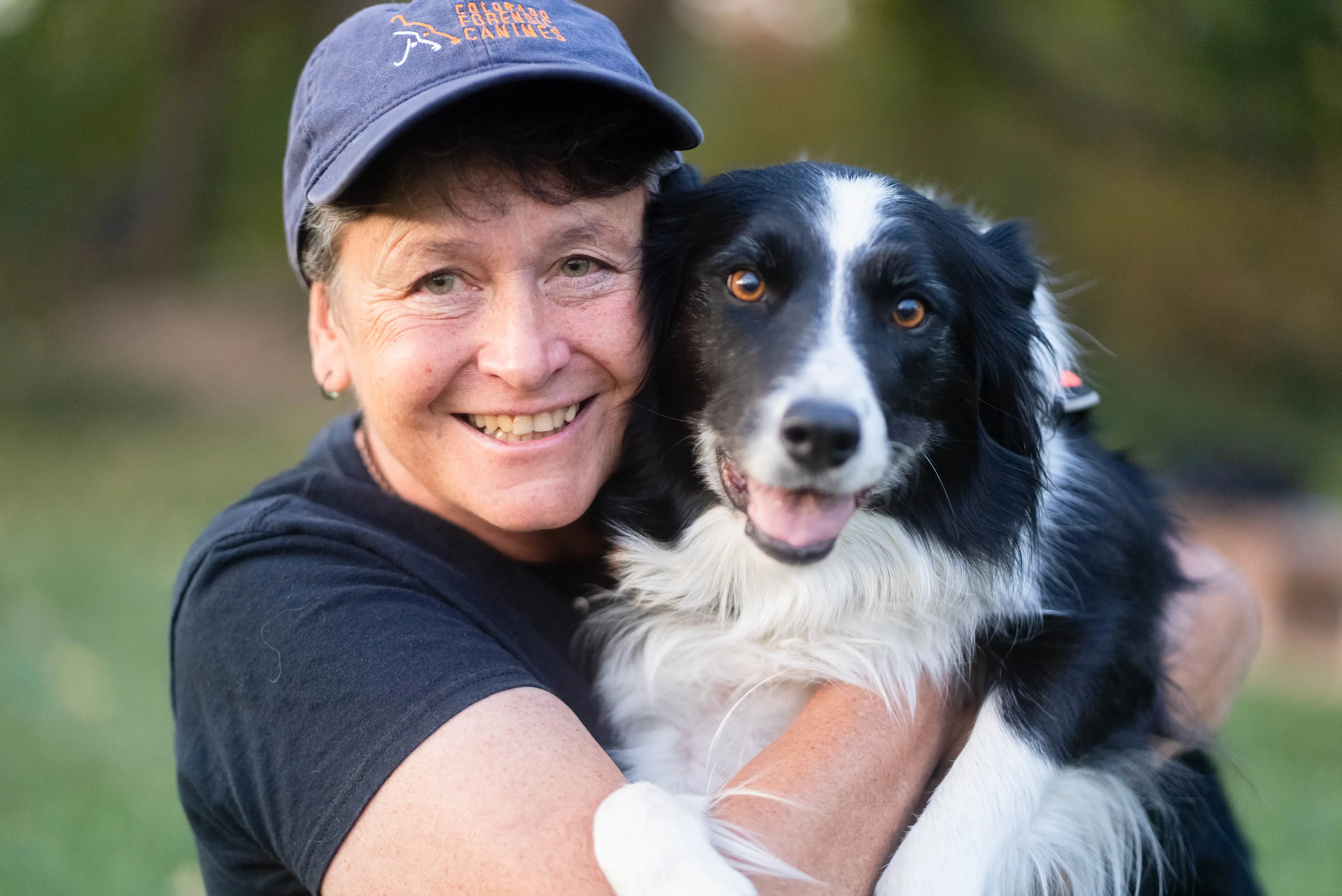
With the heavy worry of medical bills lifted, Bobbie could put all of her love and energy right where it belonged: helping Tiki heal.
The Road to Recovery
“After Tiki got her first treatment, you could barely see anything... She came out of anesthesia and it was like nothing ever happened,” recalls Bobbie.
True to her working heritage, downtime didn't keep her out: shortly after her initial round of chemotherapy, she joined a search training exercise, enthusiastically helping spot divers in the lake.
While the second round of treatment tested their endurance further, Tiki’s spirit remained unbroken. “I continued to take her to training so she could see her people, which clearly brought her a lot of happiness, and I believe it helped her healing,” shares Bobbie.
Surrounded by love, purpose, and elite veterinary care, Tiki’s body responded powerfully to the therapy.
Back in Service and Leaping Over Obstacles
Later that year, Tiki celebrated a milestone that once felt so uncertain: she received a clean bill of health from her veterinary team and officially redeployed as an active Search and Rescue dog.
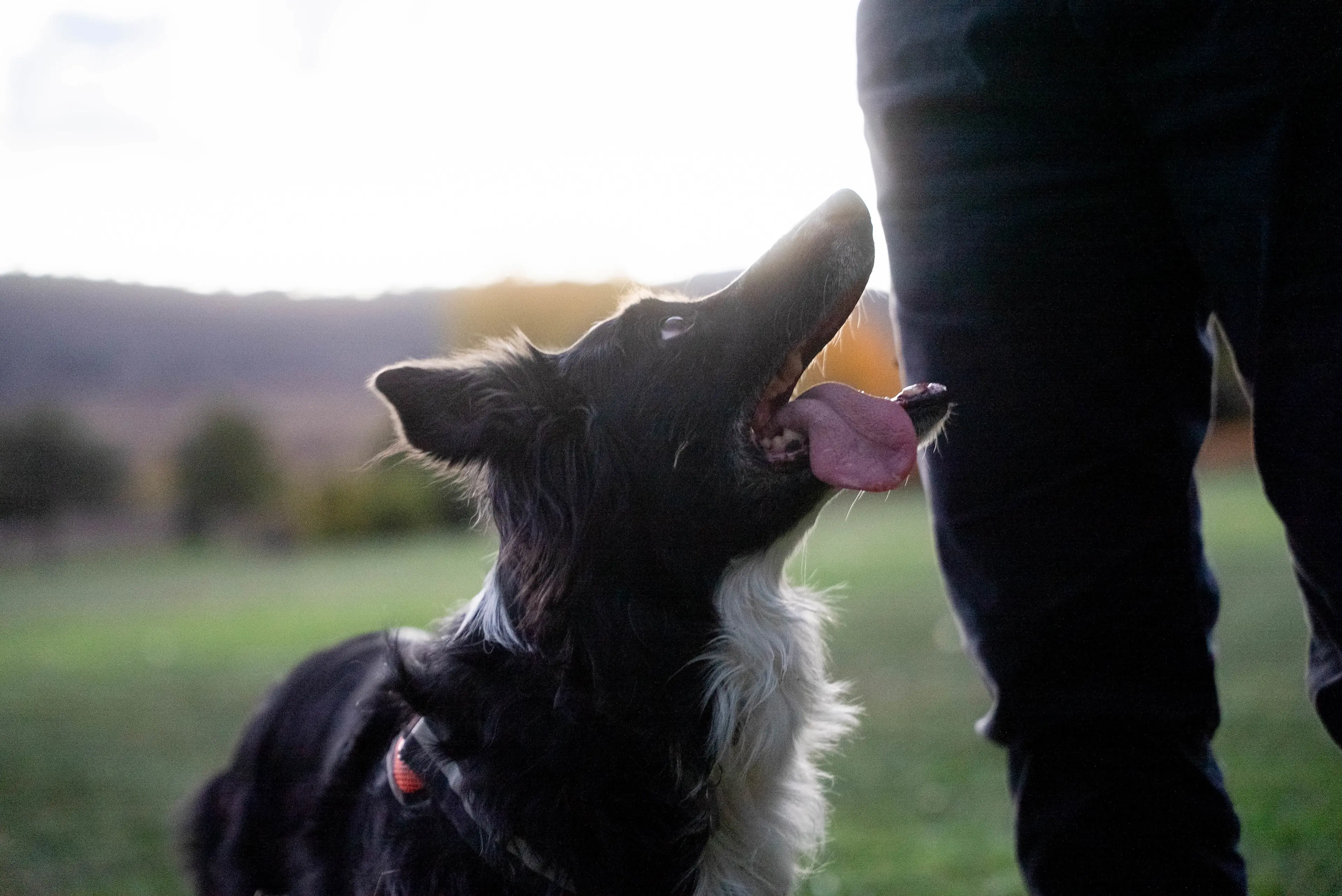
Today, watching her sprint across a field, you would hardly know what she went through. Aside from a small scar on her paw—a quiet badge of honor—she is just as strong, agile, and full of life as ever.
“As of now she is home with me and continues to work in the service she so loves and enjoys.”
Make a donation today to help fight pet cancer and provide other lifesaving care to pets in need.
If cancer is detected early, it can be treated more effectively. Check your dogs and cats regularly for the 10 Early Warning Signs as recommended by the Veterinary Cancer Society.


